AI Didn't Happen Overnight—But it sure feels that way
Remember when "artificial intelligence" sounded like a sci-fi movie plot? Somewhere between HAL 9000 and your phone autocorrecting "duck" to something entirely different, AI quietly became the most powerful tool in the room.
Here's the short version of how we got here.
From Chess Boards to Chat Boxes
AI has been in development since the 1950s — yes, really. Early AI was basically very clever math designed to solve specific problems, like beating humans at chess (looking at you, Deep Blue). For decades it was impressive, but narrow. It could do one thing exceptionally well and absolutely nothing else.
Then machine learning arrived. Instead of programming rules, developers started feeding AI massive amounts of data and letting it figure things out on its own. Suddenly, AI could recognize faces, translate languages, and recommend your next Netflix obsession with unsettling accuracy.
The Moment Everything Changed
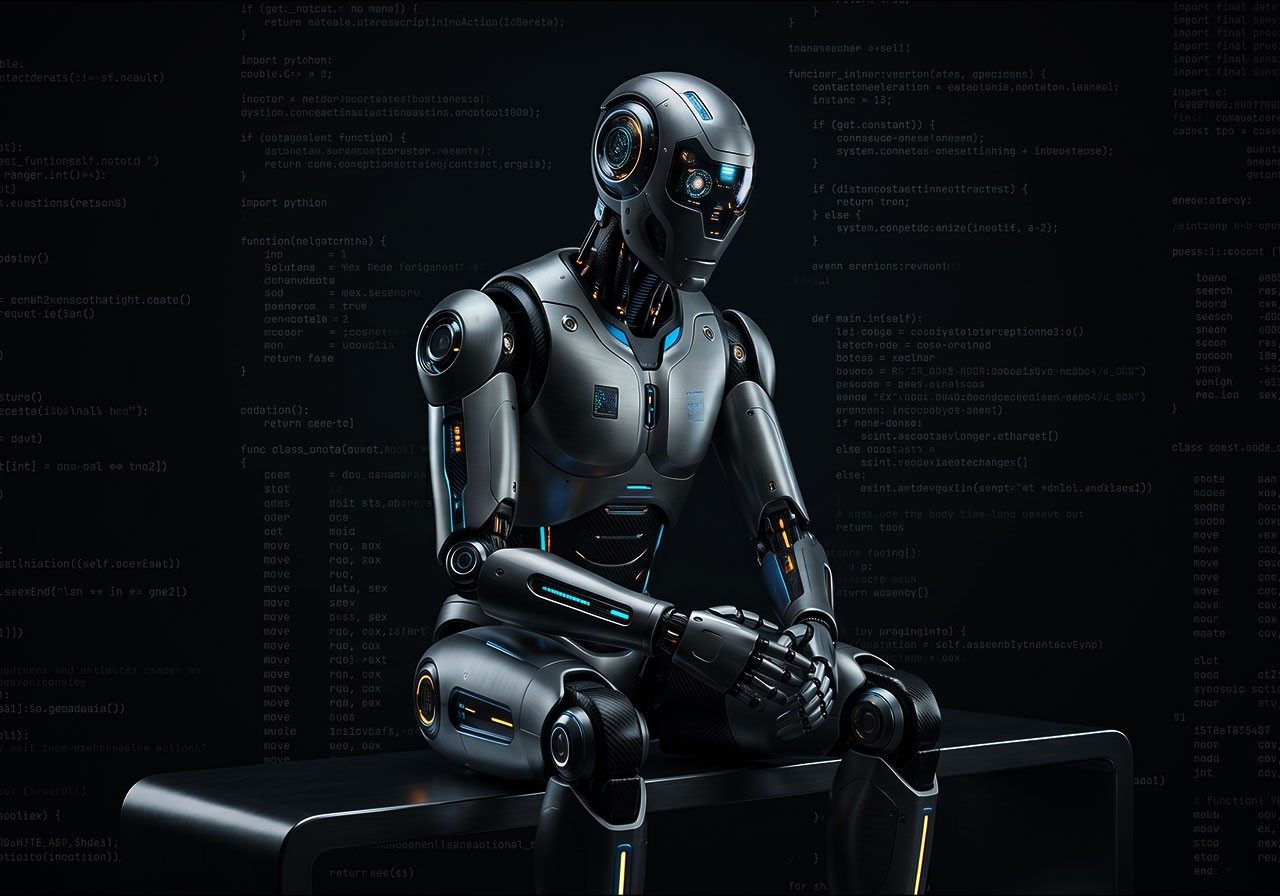
Around 2020, large language models — the technology behind tools like ChatGPT — changed the game entirely. AI could now read, write, reason, and hold a conversation. Businesses took notice fast.
Today, AI helps marketers write content, analyze data, target audiences, personalize campaigns, and automate tasks that used to eat entire workdays. It's not replacing strategy — it's amplifying it.
At Sasquatch Marketing, we use AI as a tool, not a crutch. The creativity, the storytelling, the strategy? That's still very human.
And honestly? That's the part AI still hasn't figured out.